Language
EN
$
Currency
USD
Ruaha National Park
Tanzania's Crown Jewel

RuahaNational Park

Tanzania's largest national park, Ruaha is a wild and rugged wilderness celebrated for its exceptional lion and elephant populations. The Great Ruaha River is the lifeblood of the park, drawing extraordinary concentrations of wildlife during the dry season. Giant baobab trees dot the dramatic rocky landscape, lending Ruaha a distinctive character unlike any other Tanzanian park. Wild dogs, cheetahs, and leopards are regularly sighted, while over 570 bird species reward birdwatchers. With far fewer visitors than the Northern Circuit, Ruaha offers an exclusive, authentic safari experience in one of Africa's greatest remaining wild spaces.

Massive Elephant Herds: Home to one of the largest concentrations of elephants in East Africa.
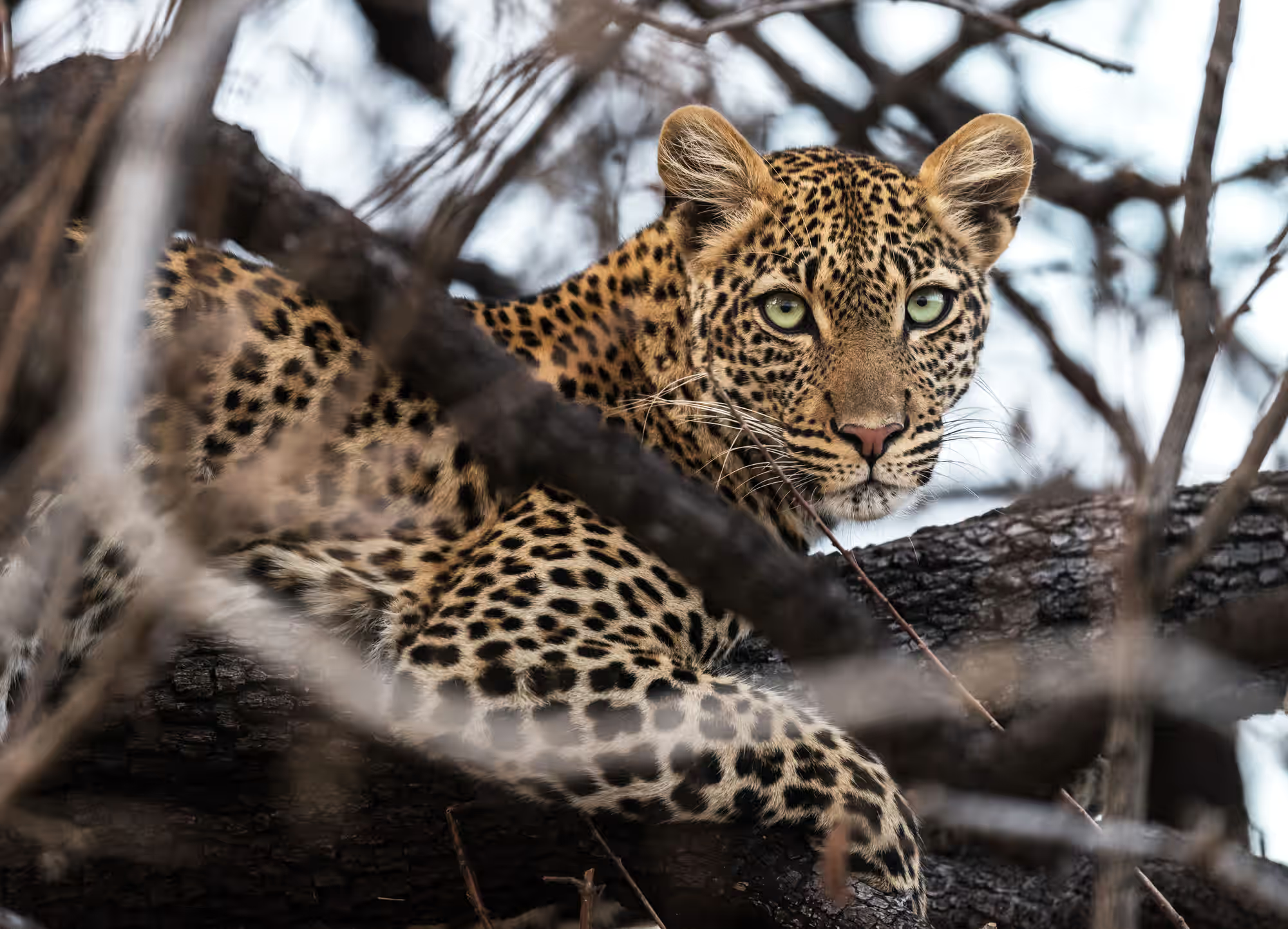
Predator Paradise: Famous for its large lion prides—some containing over 20 individuals—as well as leopards, cheetahs, and the rare African wild dog.
The Great Ruaha River: The primary wildlife watching hub, featuring crocodiles, hippos, and dramatic predator-prey interactions.
Ancient Baobabs: The landscape is dotted with these iconic "upside-down" trees, some of which are over a thousand years old.

Ancient Wisdom

Heritage StatusUNESCO Global
Guided ExperienceMaasai Led
The Destination

The Spirit of the Wild

Covering an expansive 20,226 square kilometers, Ruaha is an untouched sanctuary where nature remains largely undisturbed. The park is named after the Great Ruaha River, which acts as its lifeblood, especially during the dry season when wildlife congregates along its banks. The terrain is a dramatic mix of open savannah, rolling hills, dense miombo woodlands, and ancient forests of massive baobab trees.

Its remote location in central-southern Tanzania makes it a "hidden gem" compared to the Serengeti. Visitors here often enjoy vast stretches of wilderness with very few other vehicles in sight. The park is part of a larger ecosystem that blends East African and Southern African flora and fauna, resulting in a unique biodiversity that includes rare antelope species and high predator density.

Massive Elephant Herds: Home to one of the largest concentrations of elephants in East Africa.

Experience the raw power and beauty of nature in its purest form.

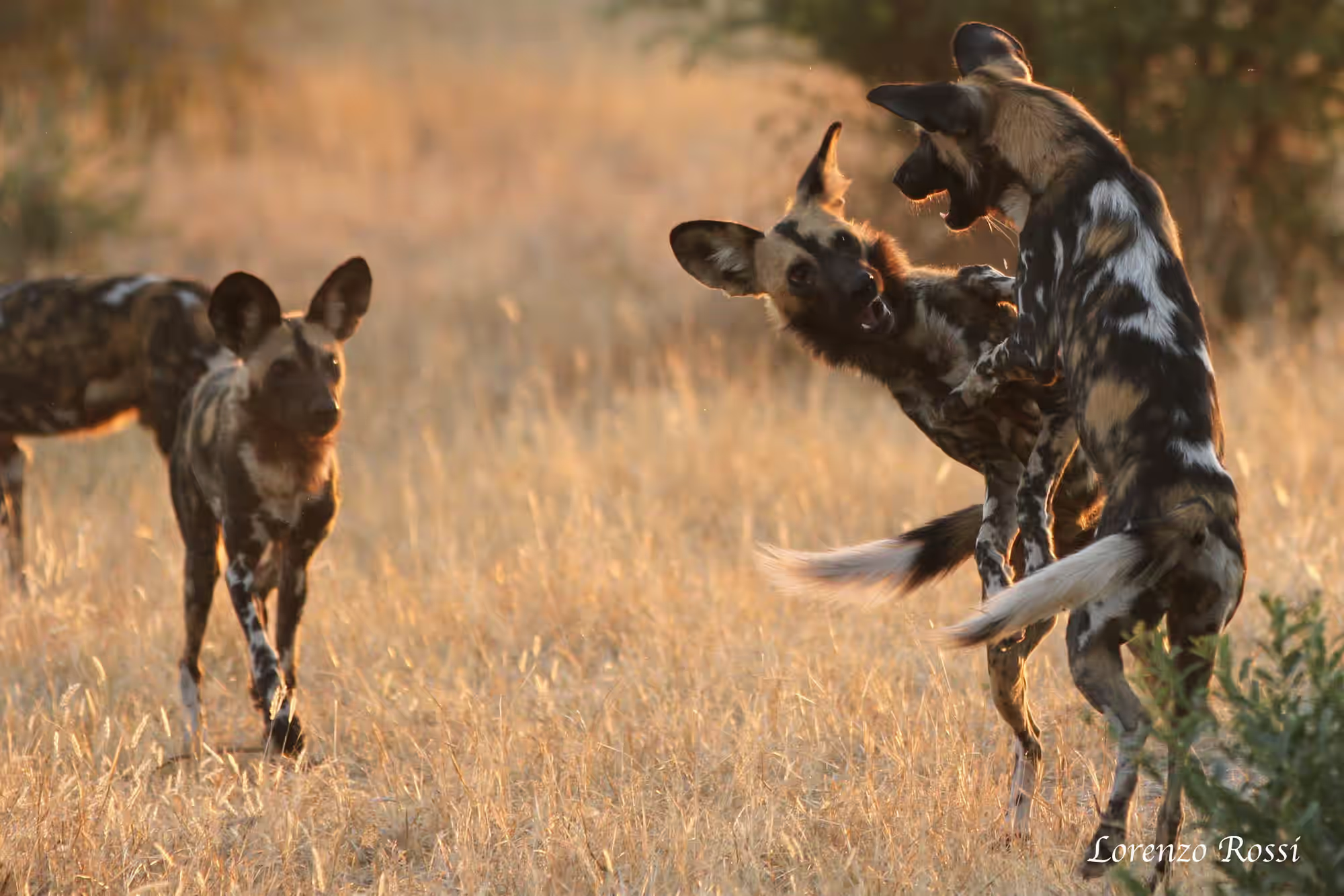
Predator Paradise: Famous for its large lion prides—some containing over 20 individuals—as well as leopards, cheetahs, and the rare African wild dog.

Experience the raw power and beauty of nature in its purest form.

The Great Ruaha River: The primary wildlife watching hub, featuring crocodiles, hippos, and dramatic predator-prey interactions.

Experience the raw power and beauty of nature in its purest form.

Ancient Baobabs: The landscape is dotted with these iconic "upside-down" trees, some of which are over a thousand years old.

Experience the raw power and beauty of nature in its purest form.

Unique Antelopes: One of the few places where you can spot both Greater and Lesser Kudu, as well as Sable and Roan antelopes.

Experience the raw power and beauty of nature in its purest form.

When to Embark?

Official Recommendation
Best Months to Visit
Feb, Jun, Jul, Apr, Jan, Sep, May, Oct, Nov, Dec, Aug
Climate Pulse
26°C Avg High

Temperate African days and crisp, star-filled nights await your arrival.

Wildlife Surge
Peak Density

The absolute best window for clear vistas and peak predator sightings.

Wild Souls

The Magnitude of Herds

Everything here follows the ancient rhythm of the rains and the golden grass.

Elephant

Ancient inhabitant of the Ruaha National Park wilderness.

Lion

Ancient inhabitant of the Ruaha National Park wilderness.

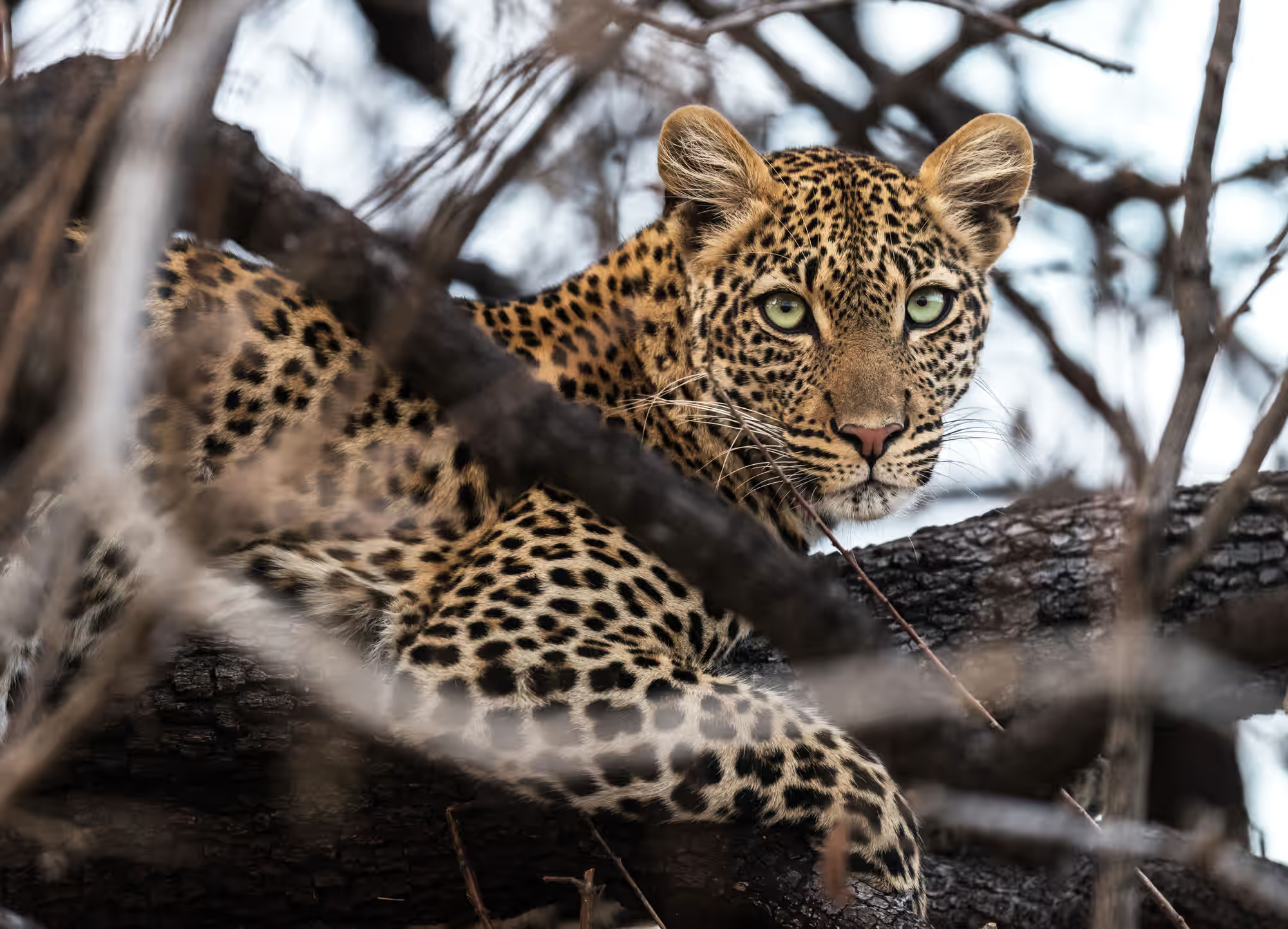
Leopard

Ancient inhabitant of the Ruaha National Park wilderness.

Rhino

Ancient inhabitant of the Ruaha National Park wilderness.

Buffalo

Ancient inhabitant of the Ruaha National Park wilderness.

Cheetah

Ancient inhabitant of the Ruaha National Park wilderness.

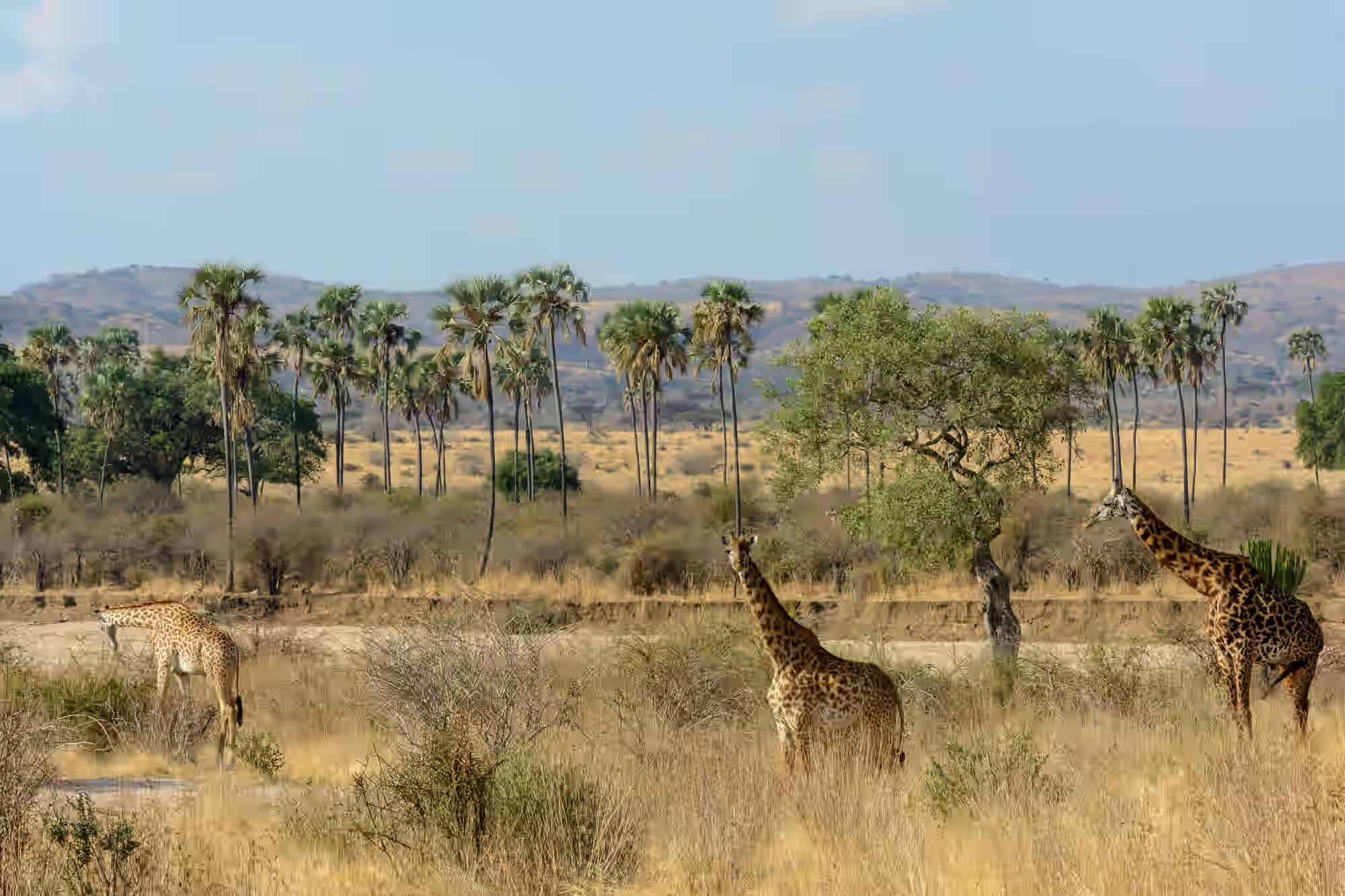
Giraffe

Ancient inhabitant of the Ruaha National Park wilderness.

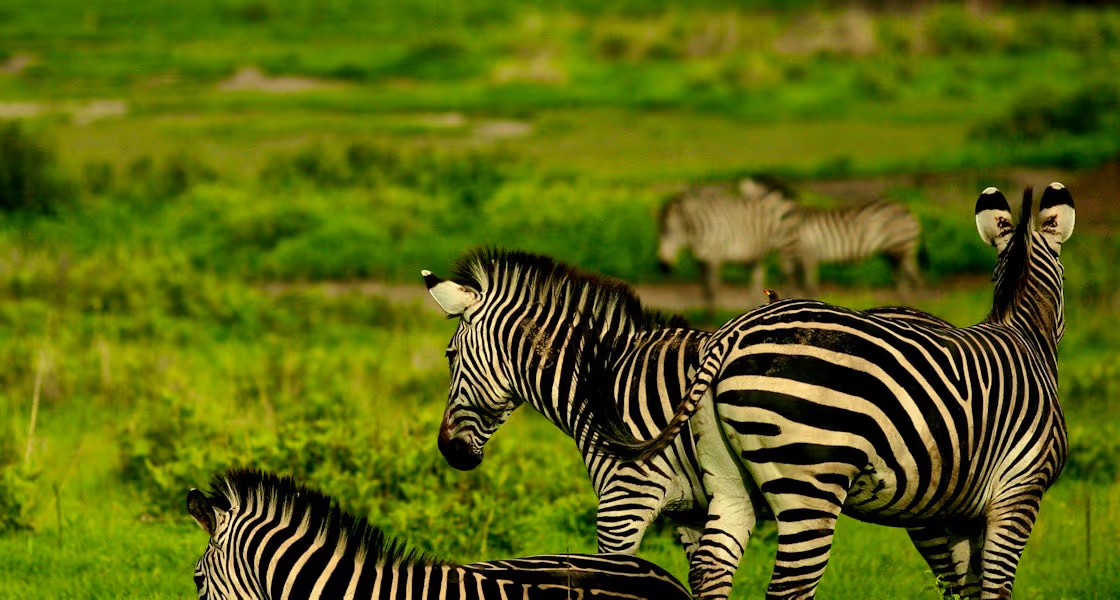
Zebra

Ancient inhabitant of the Ruaha National Park wilderness.

Wildebeest

Ancient inhabitant of the Ruaha National Park wilderness.

Hippo

Ancient inhabitant of the Ruaha National Park wilderness.

Wild Dogs

Ancient inhabitant of the Ruaha National Park wilderness.

Flamingo

Ancient inhabitant of the Ruaha National Park wilderness.

Geographic Heart

Lat: -7.874265 • Lng: 34.381714

Geographic Heart

Locate the Soul

Nestled within Tanzania, the Ruaha National Park represents one of the most significant ecosystems on our planet.

Exclusive Expeditions

Our Curated Safaris

Explore Collection
Crafting perfect itineraries for Ruaha National Park.
Traveler Intelligence

Essential FAQ

Because it is further from the main northern tourism hub, it receives significantly fewer visitors than the Serengeti or Ngorongoro. This allows for a more private, exclusive safari experience without the crowds.
The Dry Season (June to October) is best. As water sources elsewhere dry up, animals gather in huge numbers around the Great Ruaha River, and the thinned-out vegetation makes them much easier to spot.
No, Ruaha does not currently have a rhinoceros population. However, it makes up for this with its incredible density of lions, leopards, and wild dogs.
Yes. Unlike many other parks, Ruaha is famous for its guided walking safaris, allowing you to experience the bush and its smaller inhabitants on foot under the protection of an armed ranger.
Absolutely. During the wet season (November to April), the park hosts over 570 species, including migratory birds from Europe and Asia, making it a world-class birding destination.
Capturing the Essence

Visual Odyssey

Ruaha National Park Gallery Image 1
Ruaha National Park Gallery Image 2
Ruaha National Park Gallery Image 3
Ruaha National Park Gallery Image 4
Maasai African Guides

Maasai African Guides

Ancient Wisdom. Modern Luxury

"Our mission is to bridge the gap between ancient wilderness wisdom and modern traveler expectations, ensuring every safari is a journey of integrity and enlightenment."

Premium Destinations

Serengeti Migration

The Great Migration tracking

Ngorongoro Crater

The Africa's Eden experience

Tarangire Elephants

The Elephant sanctuary visits

Selous Game Reserve

The Remote wilderness camps

Ruaha National Park

The Untouched landscapes

Zanzibar Extension

The Private island retreats

Plan Your Ritual
Design Bespoke Safari
Terms & Conditions
Crafted by Esiringet Cloud CMS — Warrior Edition

© 2026 Maasai African Guides