Language
EN
$
Currency
USD
Nyerere (Selous) National Park
Tanzania's Crown Jewel

Nyerere (Selous)National Park

Renamed in honour of Tanzania's founding father, Nyerere National Park — formerly Selous Game Reserve — is Africa's largest national park and a UNESCO World Heritage Site. The Rufiji River, Tanzania's mightiest river, winds through the park supporting extraordinary concentrations of hippos, crocodiles, and waterbirds. Boat safaris along the river offer a unique perspective on wildlife, complementing traditional game drives and walking safaris. Nyerere shelters Africa's largest elephant population, along with wild dogs, lions, leopards, and buffalo. The park's vast wilderness and diverse habitats — from riverine forests to open grasslands — ensure an authentic, uncrowded southern Tanzania safari experience.

• Boat safaris on the Rufiji River — Africa's finest river safari experience
• Africa's largest elephant population — estimated 50,000+ elephants in the broader ecosystem
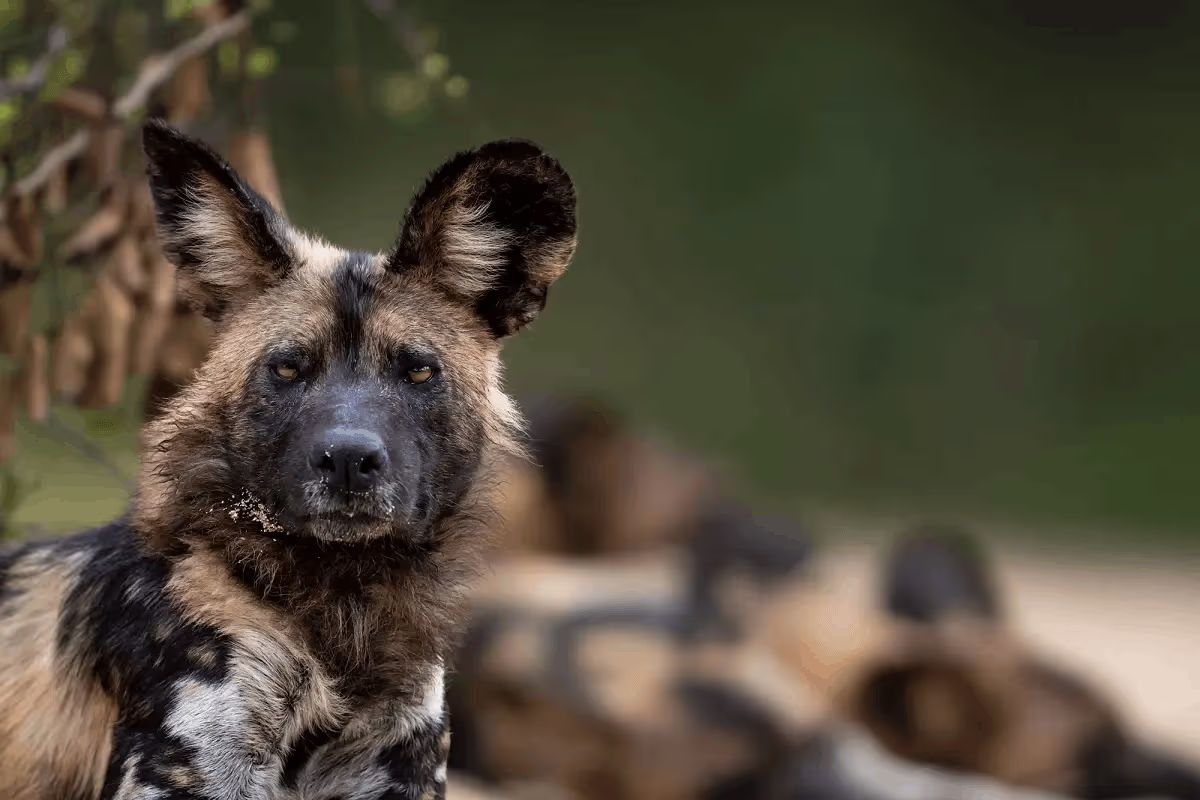
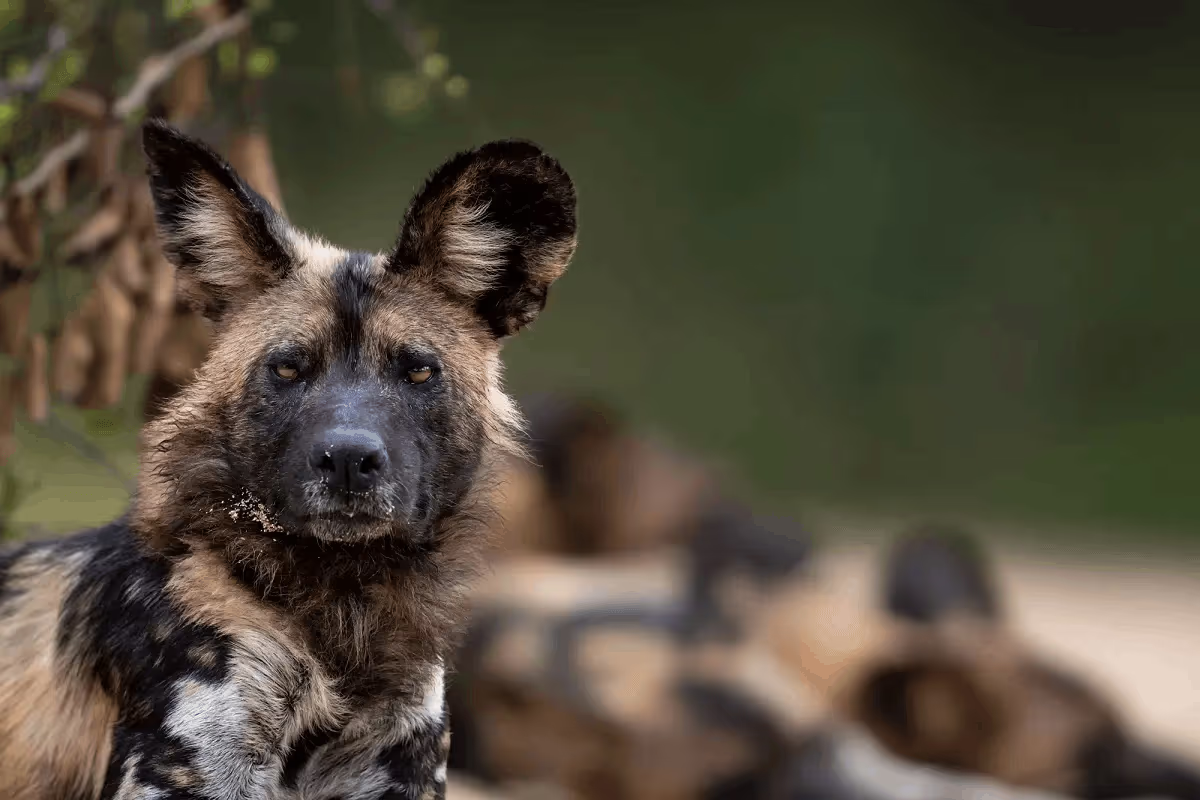
• Outstanding African wild dog population — one of Africa's most important strongholds
• Walking safaris and fly-camping — deep wilderness immersion impossible in vehicle-only parks

Ancient Wisdom

Heritage StatusUNESCO Global
Guided ExperienceMaasai Led
The Destination

The Spirit of the Wild

Nyerere National Park — renamed from Selous Game Reserve in honour of Tanzania's founding president — is Africa's largest national park and one of the continent's most extraordinary wilderness areas. Straddling the Rufiji River in southeastern Tanzania, it shelters an unparalleled diversity of ecosystems and abundant wildlife. Boat safaris along the Rufiji offer a perspective on African wildlife rarely available elsewhere, drifting past hippos, crocodiles, and waterbirds while elephants drink at the bank. The park's size and remoteness guarantee an authentically wild, uncrowded experience.

• Boat safaris on the Rufiji River — Africa's finest river safari experience

Experience the raw power and beauty of nature in its purest form.

• Africa's largest elephant population — estimated 50,000+ elephants in the broader ecosystem

Experience the raw power and beauty of nature in its purest form.

• Outstanding African wild dog population — one of Africa's most important strongholds

Experience the raw power and beauty of nature in its purest form.

• Walking safaris and fly-camping — deep wilderness immersion impossible in vehicle-only parks

Experience the raw power and beauty of nature in its purest form.

• Rufiji River system — vast network of lakes, channels, and oxbow lagoons

Experience the raw power and beauty of nature in its purest form.

• Large lion prides regularly encountered from boats and on game drives

Experience the raw power and beauty of nature in its purest form.

• Exceptional birding with over 440 species including African skimmer

Experience the raw power and beauty of nature in its purest form.

• UNESCO World Heritage Site — one of the world's most important natural areas

Experience the raw power and beauty of nature in its purest form.

When to Embark?

Official Recommendation
Best Months to Visit
Jan, Feb, Mar, Apr, Aug, Dec, Nov, Jul, Jun, Oct, Sep, May
Climate Pulse
26°C Avg High

Temperate African days and crisp, star-filled nights await your arrival.

Wildlife Surge
Peak Density

The absolute best window for clear vistas and peak predator sightings.

Wild Souls

The Magnitude of Herds

Everything here follows the ancient rhythm of the rains and the golden grass.

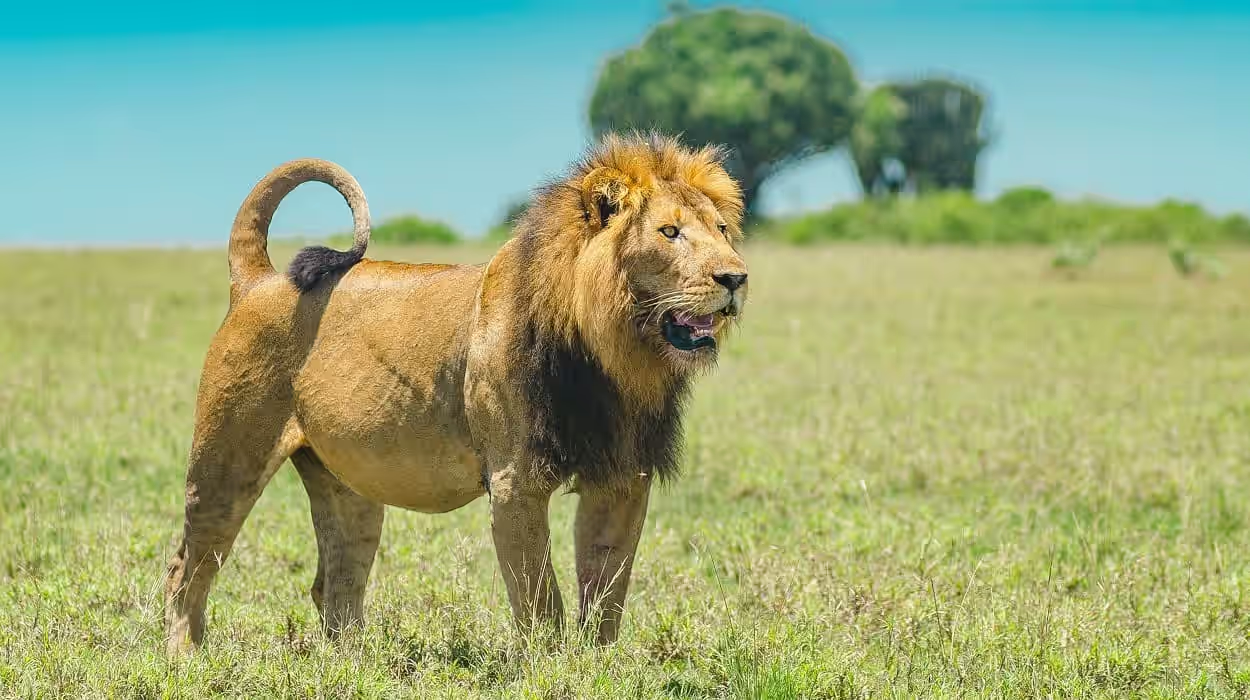
Lion

Ancient inhabitant of the Nyerere (Selous) National Park wilderness.

Elephant

Ancient inhabitant of the Nyerere (Selous) National Park wilderness.

Leopard

Ancient inhabitant of the Nyerere (Selous) National Park wilderness.

Buffalo

Ancient inhabitant of the Nyerere (Selous) National Park wilderness.

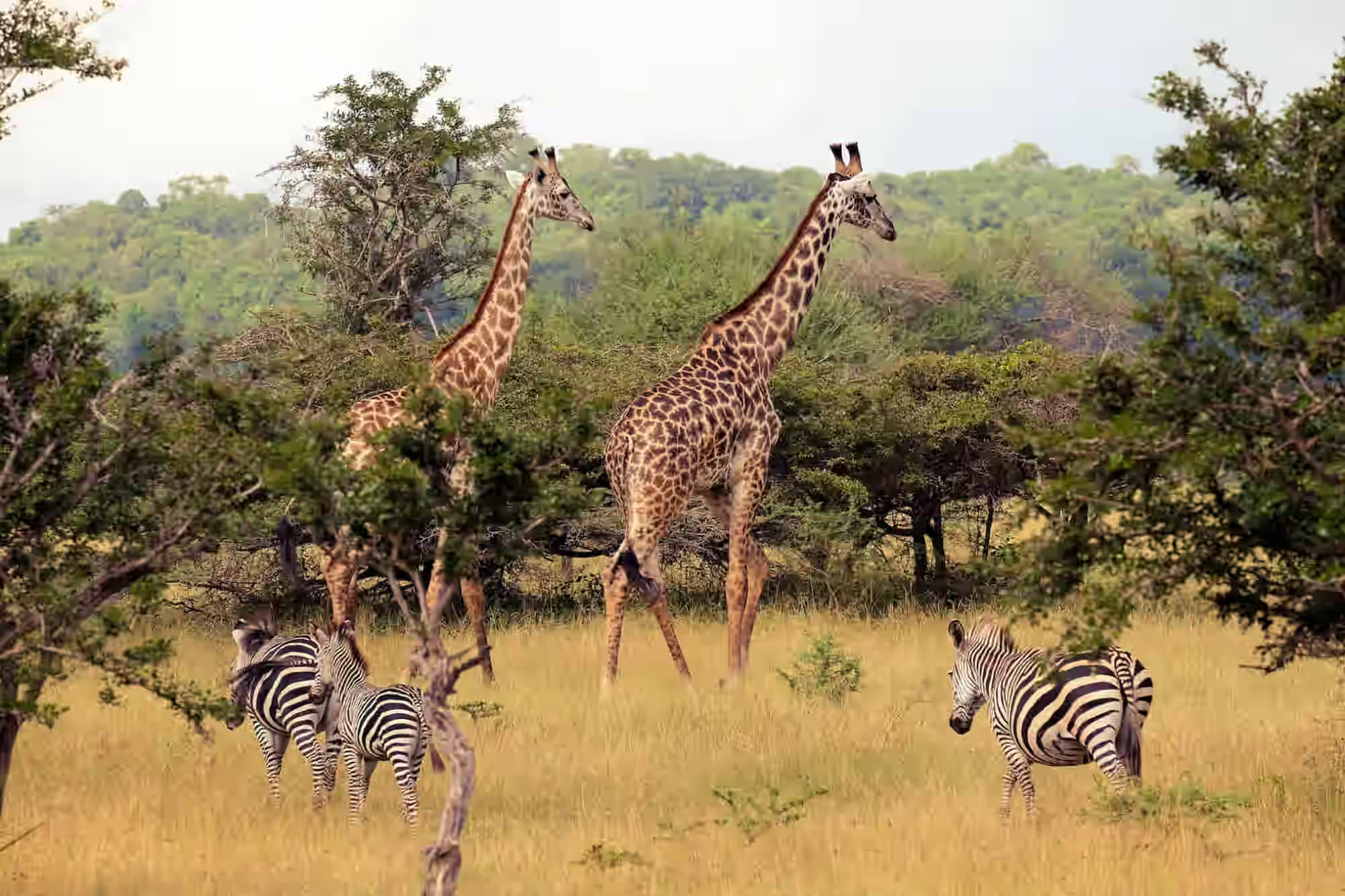
Giraffe

Ancient inhabitant of the Nyerere (Selous) National Park wilderness.

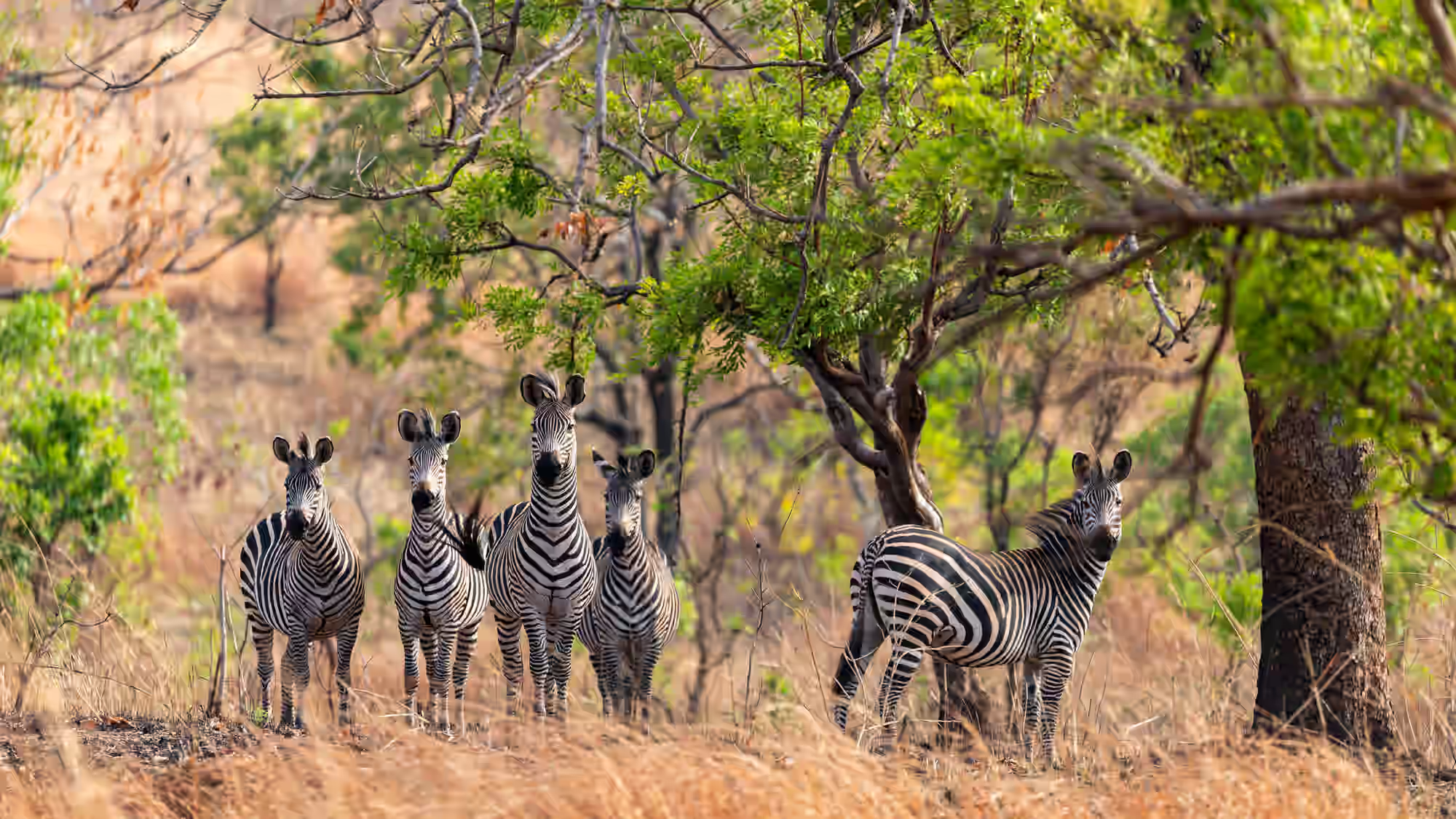
Zebra

Ancient inhabitant of the Nyerere (Selous) National Park wilderness.

Wildebeest

Ancient inhabitant of the Nyerere (Selous) National Park wilderness.

Hippo

Ancient inhabitant of the Nyerere (Selous) National Park wilderness.

Wild Dogs

Ancient inhabitant of the Nyerere (Selous) National Park wilderness.

Cheetah

Ancient inhabitant of the Nyerere (Selous) National Park wilderness.

Geographic Heart

Lat: -8.855601 • Lng: 37.156266

Geographic Heart

Locate the Soul

Nestled within Tanzania, the Nyerere (Selous) National Park represents one of the most significant ecosystems on our planet.

Exclusive Expeditions

Our Curated Safaris

Explore Collection
Crafting perfect itineraries for Nyerere (Selous) National Park.
Traveler Intelligence

Essential FAQ

The park was renamed Nyerere National Park in 2019 in honour of Tanzania's founding president and father of the nation, Julius Kambarage Nyerere (1922–1999), known affectionately as Mwalimu (Teacher). Nyerere championed Tanzania's conservation legacy and the renaming was a deeply symbolic act of national pride. The park was previously known as the Selous Game Reserve, named after the British hunter-explorer Frederick Courteney Selous.
Boat safaris on the Rufiji River and its associated lakes offer a unique perspective on wildlife that is simply not possible in any landlocked park. You drift silently past pods of hippos at eye-level, watch massive crocodiles basking on the banks metres away, observe elephants swimming across channels, and encounter Pel's fishing owl and African skimmer in their riverine habitat. It is considered one of Africa's finest wildlife experiences and should not be missed.
The two parks are completely different experiences. The Serengeti is defined by its open plains, the Great Migration, and a high concentration of safari tourism. Nyerere is defined by its rivers, forests, and absolute remoteness — it is five times the size of the Serengeti yet receives a fraction of the visitors. Nyerere excels for boat safaris, walking safaris, wild dogs, and buffalo herds — experiences unavailable or less reliable in the Serengeti.
Yes — Nyerere is home to one of Africa's most important African wild dog populations. The park's vast size and low human pressure provide ideal conditions for wild dog packs to range freely. Packs of 10–25 dogs are regularly encountered on game drives, particularly in the dry season when they are most active in the open bushland south of the Rufiji River.
Absolutely — and this is one of the most popular Tanzania itineraries. Nyerere's airstrip receives daily flights from Dar es Salaam (40 minutes), and Zanzibar is just 20 minutes by air from Dar. A 3–4 night Nyerere safari followed by 3–4 nights on Zanzibar is a perfect combination of wild safari immersion and Indian Ocean relaxation, requiring no long drives.
The main tourist zone (north of the Rufiji River) is accessible year-round, though the April–May long rains period is the low season with reduced access and some camp closures. The dry season (June–October) is peak season for game viewing and all activities. Boat safaris are available year-round on the Rufiji River, though water levels and channel accessibility vary by season.
Capturing the Essence

Visual Odyssey

Nyerere (Selous) National Park Gallery Image 1
Nyerere (Selous) National Park Gallery Image 2
Nyerere (Selous) National Park Gallery Image 3
Nyerere (Selous) National Park Gallery Image 4
Maasai African Guides

Maasai African Guides

Ancient Wisdom. Modern Luxury

"Our mission is to bridge the gap between ancient wilderness wisdom and modern traveler expectations, ensuring every safari is a journey of integrity and enlightenment."

Premium Destinations

Serengeti Migration

The Great Migration tracking

Ngorongoro Crater

The Africa's Eden experience

Tarangire Elephants

The Elephant sanctuary visits

Selous Game Reserve

The Remote wilderness camps

Ruaha National Park

The Untouched landscapes

Zanzibar Extension

The Private island retreats

Plan Your Ritual
Design Bespoke Safari
Terms & Conditions
Crafted by Esiringet Cloud CMS — Warrior Edition

© 2026 Maasai African Guides