Language
EN
$
Currency
USD
Kilimanjaro National Park
Tanzania's Crown Jewel

KilimanjaroNational Park

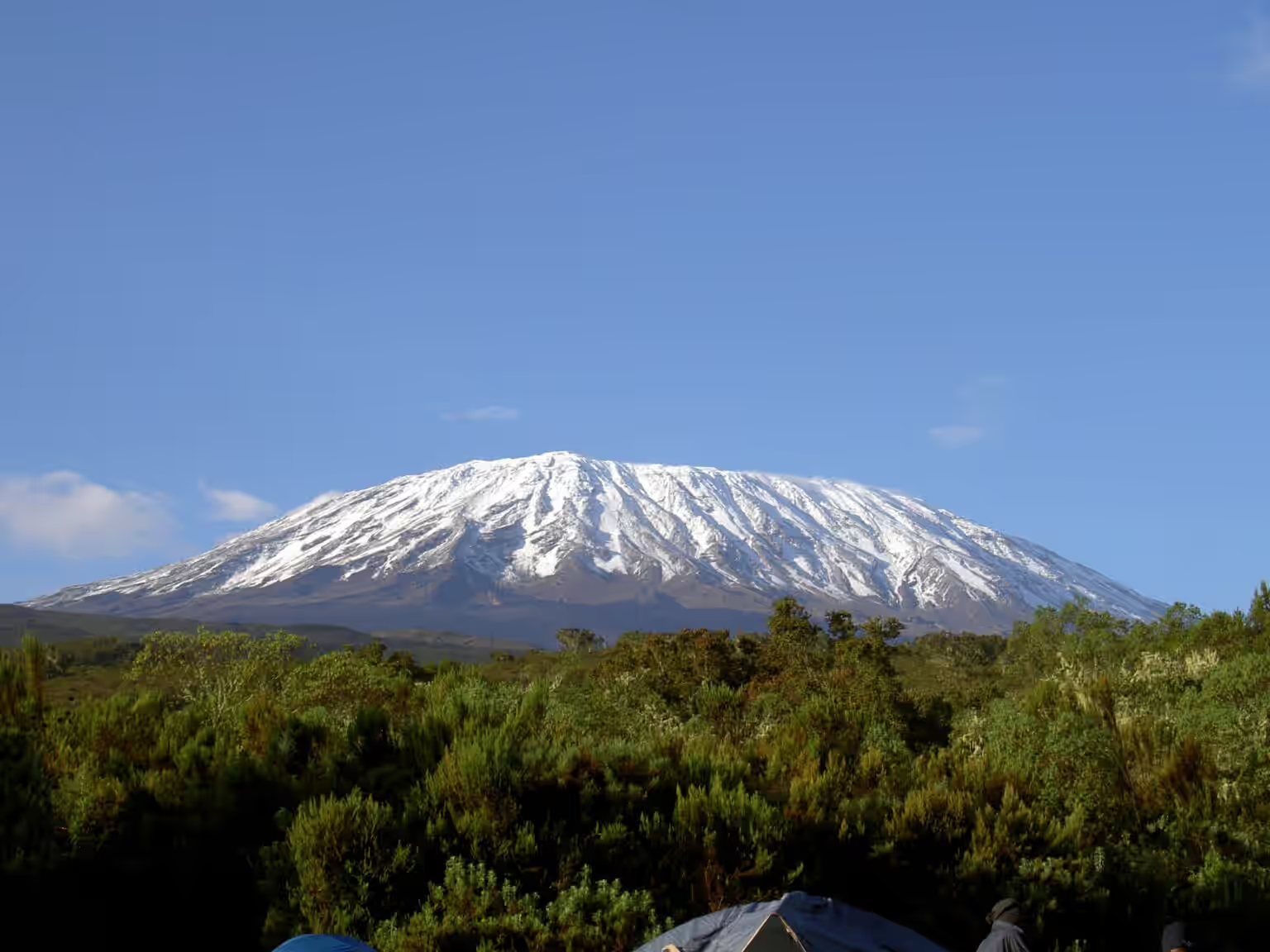
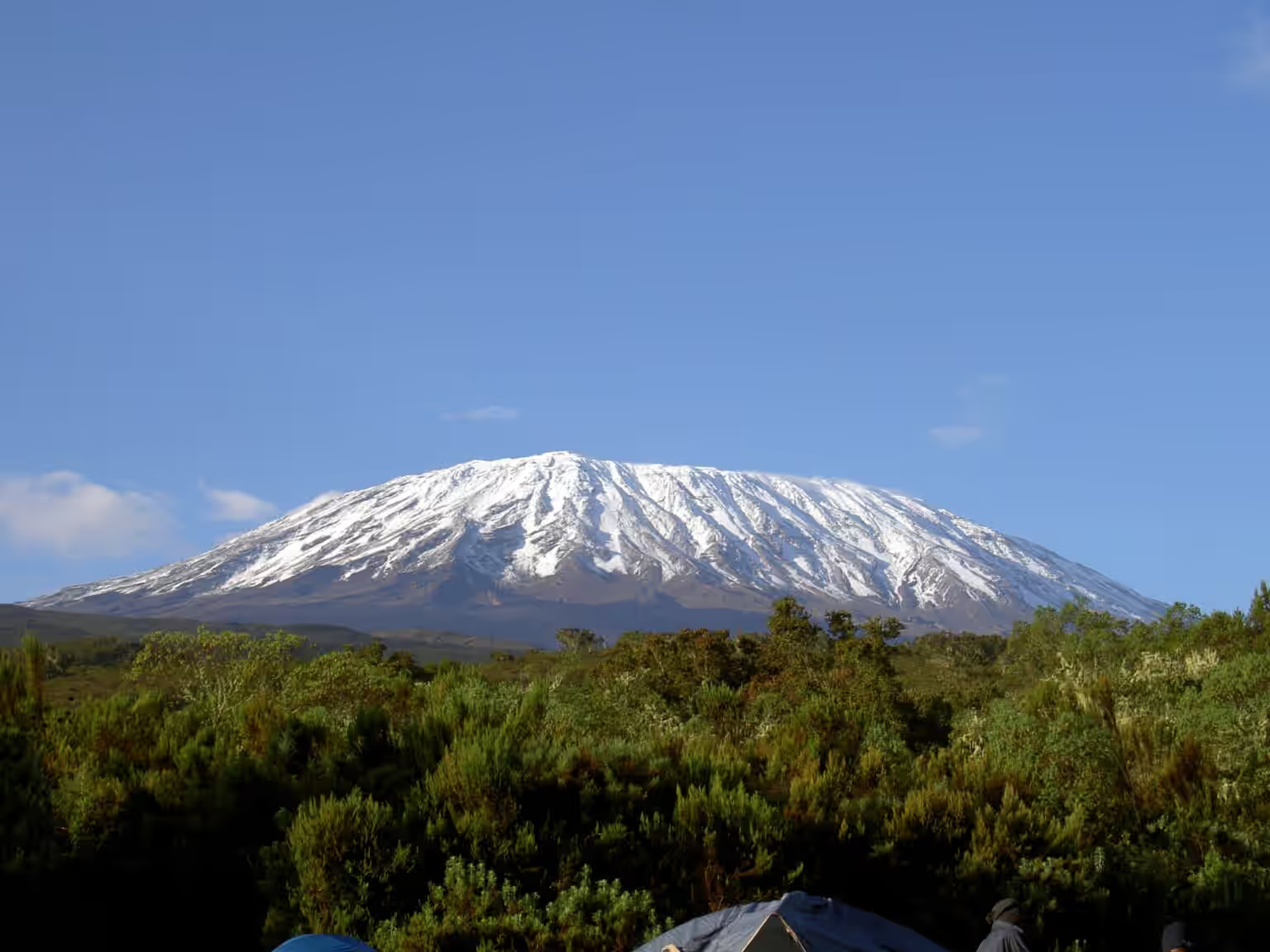
Home to Africa's highest peak — Mount Kilimanjaro at 5,895 metres — this UNESCO World Heritage Site is one of the world's most recognisable and aspirational destinations. The snow-capped summit of Uhuru Peak crowns a dormant volcano that rises dramatically from the surrounding plains. Six official trekking routes — including the popular Marangu, Machame, and Lemosho routes — wind through five distinct ecological zones, from cultivated farmland and lush montane forest to alpine desert and arctic summit glaciers. Beyond climbing, the park supports diverse wildlife and birdlife in its lower forest zones. Kilimanjaro is the ultimate Tanzania adventure for those seeking both natural wonder and personal achievement.

Uhuru Peak: The highest point in Africa and the ultimate goal for trekkers.
Five Climate Zones: Experience everything from tropical rainforests to glacial ice fields in one trip.
Shira Plateau: A stunning high-altitude caldera offering panoramic views and wildlife sightings like eland and buffalo.
Lemosho & Machame Routes: Famous for their high success rates and breathtaking scenery.

Ancient Wisdom

Heritage StatusUNESCO Global
Guided ExperienceMaasai Led
The Destination

The Spirit of the Wild

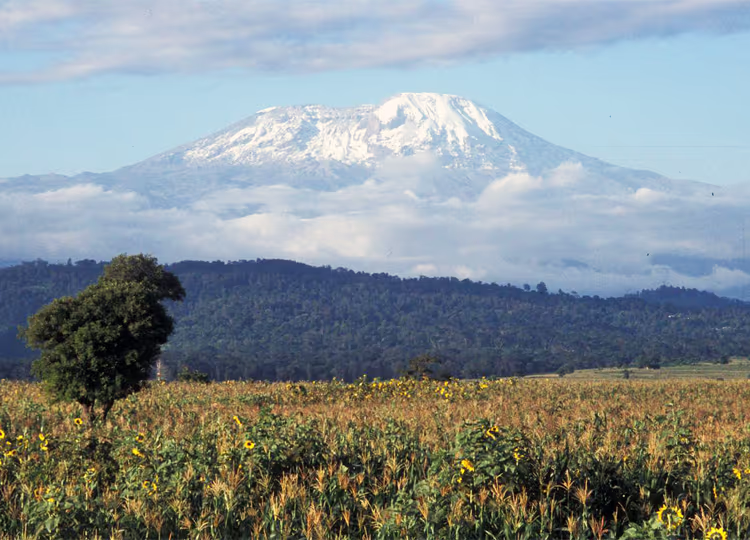
Established as a national park in 1973 and a UNESCO site in 1987, Kilimanjaro National Park covers approximately 1,688 square kilometers. The park’s focal point is the majestic Mount Kilimanjaro, which rises 5,895 meters (19,341 feet) above the surrounding savannah

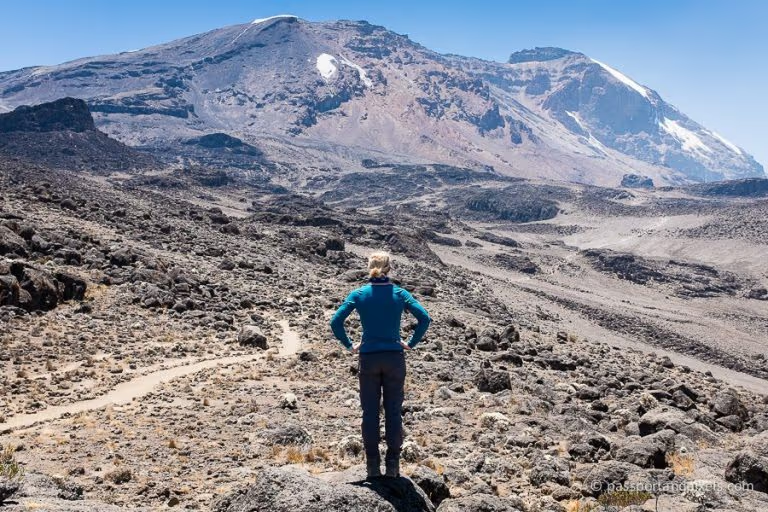
The experience is often described as a "climatic world tour." Hikers begin in lush montane forests teeming with primates and birds, ascend through heath and moorland filled with prehistoric-looking giant lobelias, cross the stark alpine desert, and finally reach the arctic summit of Kibo. Unlike many other high peaks, the main routes to the summit (Uhuru Peak) are non-technical, making it one of the most accessible high-altitude mountains for fit hikers.

Uhuru Peak: The highest point in Africa and the ultimate goal for trekkers.

Experience the raw power and beauty of nature in its purest form.

Five Climate Zones: Experience everything from tropical rainforests to glacial ice fields in one trip.

Experience the raw power and beauty of nature in its purest form.

Shira Plateau: A stunning high-altitude caldera offering panoramic views and wildlife sightings like eland and buffalo.

Experience the raw power and beauty of nature in its purest form.

Lemosho & Machame Routes: Famous for their high success rates and breathtaking scenery.

Experience the raw power and beauty of nature in its purest form.

Mawenzi Peak: The rugged, technical second-highest peak, popular for its dramatic, jagged silhouette.

Experience the raw power and beauty of nature in its purest form.

Chala Crater Lake: A deep, shimmering caldera lake on the eastern edge of the mountain.

Experience the raw power and beauty of nature in its purest form.

When to Embark?

Official Recommendation
Best Months to Visit
Jan, Feb, Mar, Apr, May, Sep, Oct, Jun, Jul, Nov, Dec, Aug
Climate Pulse
26°C Avg High

Temperate African days and crisp, star-filled nights await your arrival.

Wildlife Surge
Peak Density

The absolute best window for clear vistas and peak predator sightings.

Wild Souls

The Magnitude of Herds

Everything here follows the ancient rhythm of the rains and the golden grass.

African Lions

Home to majestic prides and lethal hunters.

African Elephants

Stunning herds roaming the golden savannah.

Leopards & Cheetahs

The master of stealth and the king of speed.

Geographic Heart

Lat: -3.104747 • Lng: 37.316436

Geographic Heart

Locate the Soul

Nestled within Tanzania, the Kilimanjaro National Park represents one of the most significant ecosystems on our planet.

Exclusive Expeditions

Our Curated Safaris

Explore Collection
Where the Endless Plains Meet the Spice Island Sea
Most Popular
4.8

Where the Endless Plains Meet the Spice Island Sea

From
$8992

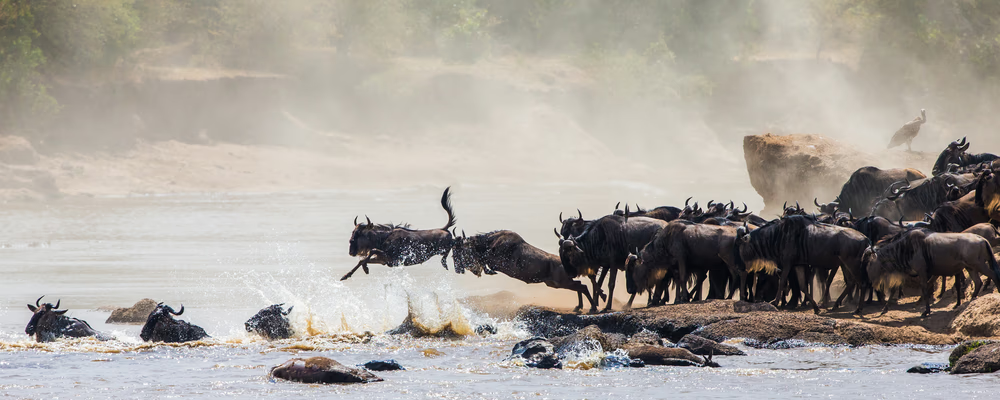
Witness the world’s most dramatic wildlife spectacle on a precision-paced 13-day private family journey from the elephant-rich plains of Tarangire to the Mara River crossings. Seamlessly transition from the thrill of the Serengeti to the turquoise shores of Zanzibar via a scenic bush flight, ensuring every moment is spent "in the action."

13 Days
Max 12 Guests
View Safari
Traveler Intelligence

Essential FAQ

Most treks take between 5 to 9 days. Longer routes (7+ days) are highly recommended as they allow better acclimatization and have a higher success rate.
While it's not a technical climb (no ropes or ice axes needed for standard routes), you do need high-quality thermal clothing, waterproof gear, and broken-in trekking boots.
The best conditions are during the dry seasons: January–February and June–October. January is typically warmer, while June–October offers clearer skies.
Yes, particularly in the lower forest zones. You may see Colobus monkeys, blue monkeys, and various birds. Larger animals like elephants and leopards are present but very elusive.
It is the most challenging part of the trek. You typically start around midnight in freezing temperatures to reach the peak by sunrise. It requires significant mental and physical stamina.
Capturing the Essence

Visual Odyssey

Kilimanjaro National Park Gallery Image 1
Kilimanjaro National Park Gallery Image 2
Kilimanjaro National Park Gallery Image 3
Maasai African Guides

Maasai African Guides

Ancient Wisdom. Modern Luxury

"Our mission is to bridge the gap between ancient wilderness wisdom and modern traveler expectations, ensuring every safari is a journey of integrity and enlightenment."

Premium Destinations

Serengeti Migration

The Great Migration tracking

Ngorongoro Crater

The Africa's Eden experience

Tarangire Elephants

The Elephant sanctuary visits

Selous Game Reserve

The Remote wilderness camps

Ruaha National Park

The Untouched landscapes

Zanzibar Extension

The Private island retreats

Plan Your Ritual
Design Bespoke Safari
Terms & Conditions
Crafted by Esiringet Cloud CMS — Warrior Edition

© 2026 Maasai African Guides