The Spirit of the Wild
Established in 2006, the Burunge WMA covers approximately 617 square kilometers within the northern tourist circuit. It is a community-driven initiative involving nine local villages that manage the land to balance wildlife conservation with sustainable economic development. The landscape is a classic East African mix of acacia savannah, massive baobab trees, and the seasonal waters of Lake Burunge.
As a "Wildlife Management Area," it allows for diverse activities often restricted in national parks, such as off-roading for closer wildlife views and guided night drives. It serves as a buffer zone and a dispersal area, especially during the wet season when animals move out of the neighboring national parks. The revenue generated from photographic safaris and lodge fees is reinvested directly into local schools, health services, and community projects.
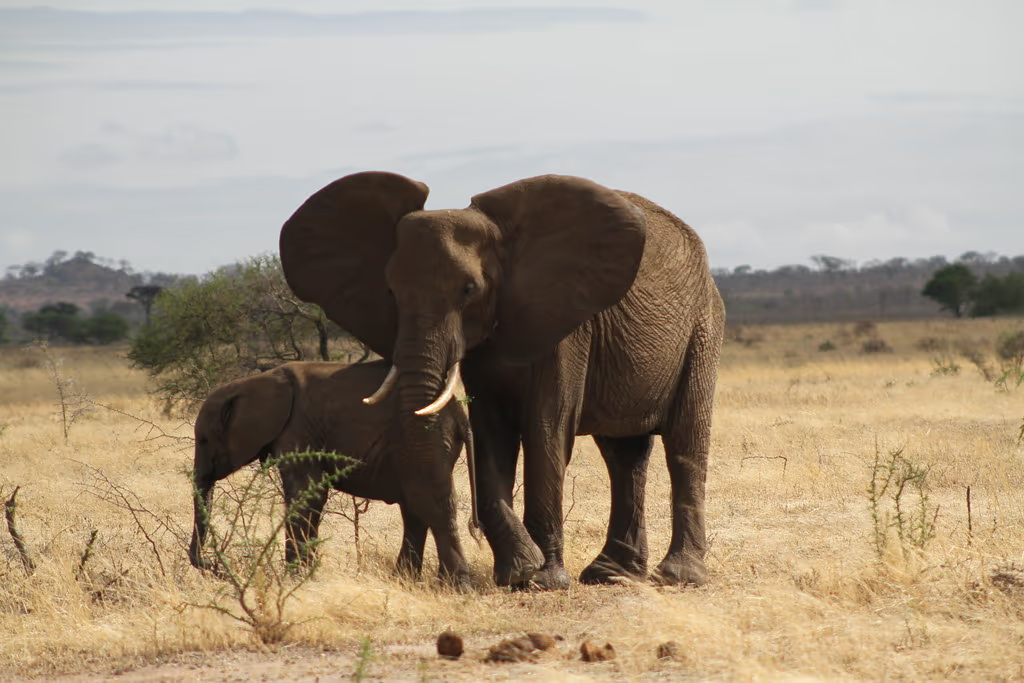
Elephant Paradise: This area is famous for harboring elephants with exceptionally large and long tusks, often seen moving through the ancient baobab groves.
Experience the raw power and beauty of nature in its purest form.
Flamingos on Lake Burunge: The lake attracts massive flocks of greater and lesser flamingos, as well as pelicans and various shorebirds, creating a vibrant pink shoreline.
Experience the raw power and beauty of nature in its purest form.
The "Big Five": Visitors frequently spot lions and leopards, and the area is particularly well-known for its large population of pythons, which are rarely seen in other East African parks.
Experience the raw power and beauty of nature in its purest form.
Private Concessions: Because it is a WMA, visitors can enjoy more flexible safari options, including night game drives and walking safaris led by local community rangers.
Experience the raw power and beauty of nature in its purest form.
Cultural Engagement: The area offers opportunities to witness traditional dances and crafts from the Maasai and Wambugwe ethnic groups living within the WMA villages.
Experience the raw power and beauty of nature in its purest form.
When to Embark?
Temperate African days and crisp, star-filled nights await your arrival.
The absolute best window for clear vistas and peak predator sightings.
The Magnitude of Herds
Everything here follows the ancient rhythm of the rains and the golden grass.
Lion
Ancient inhabitant of the Burunge Wildlife Management Area wilderness.
Elephant
Ancient inhabitant of the Burunge Wildlife Management Area wilderness.
Leopard
Ancient inhabitant of the Burunge Wildlife Management Area wilderness.
Buffalo
Ancient inhabitant of the Burunge Wildlife Management Area wilderness.
Wildebeest
Ancient inhabitant of the Burunge Wildlife Management Area wilderness.
Hippo
Ancient inhabitant of the Burunge Wildlife Management Area wilderness.
Gorilla
Ancient inhabitant of the Burunge Wildlife Management Area wilderness.
Zebra
Ancient inhabitant of the Burunge Wildlife Management Area wilderness.
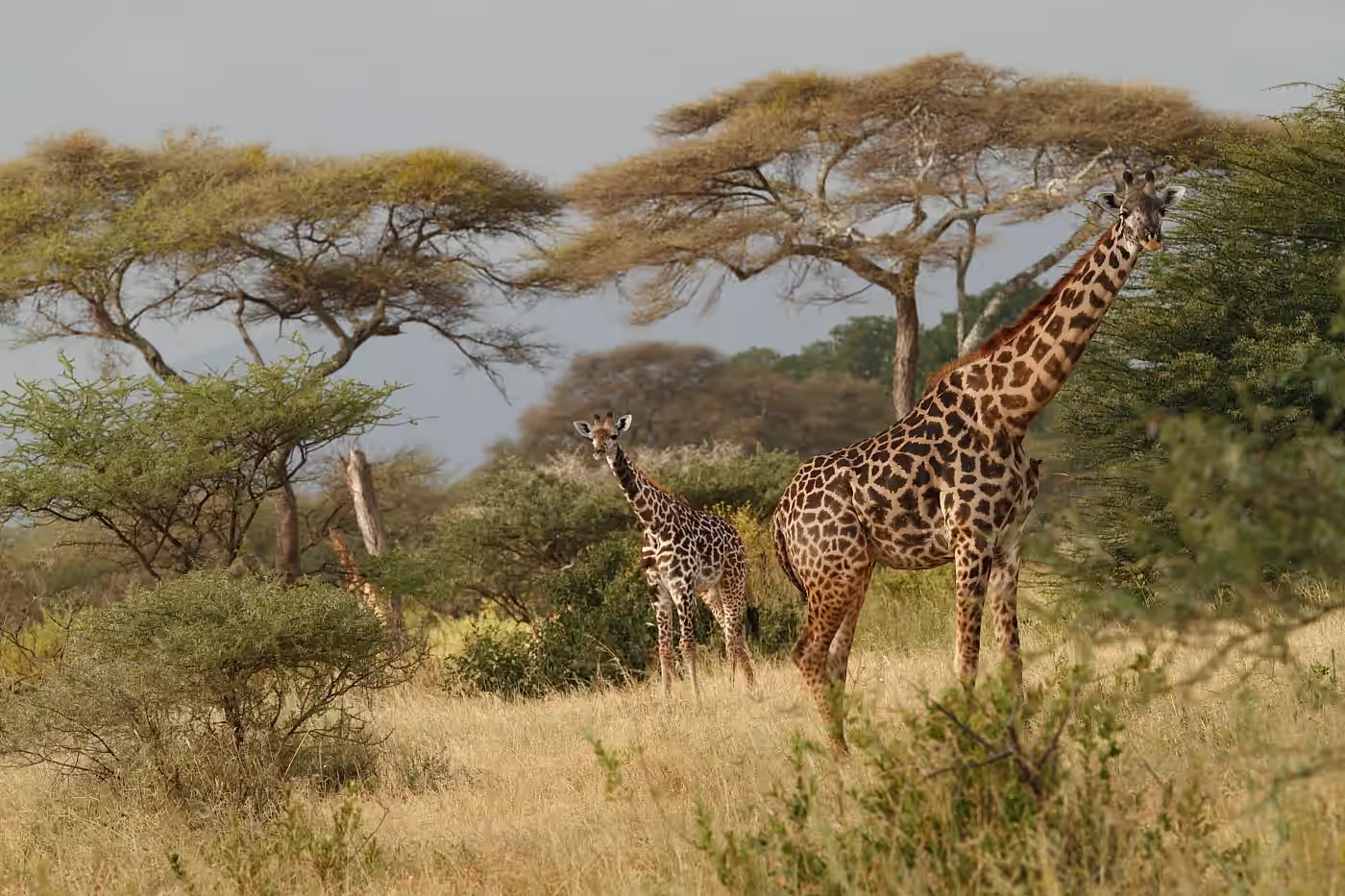
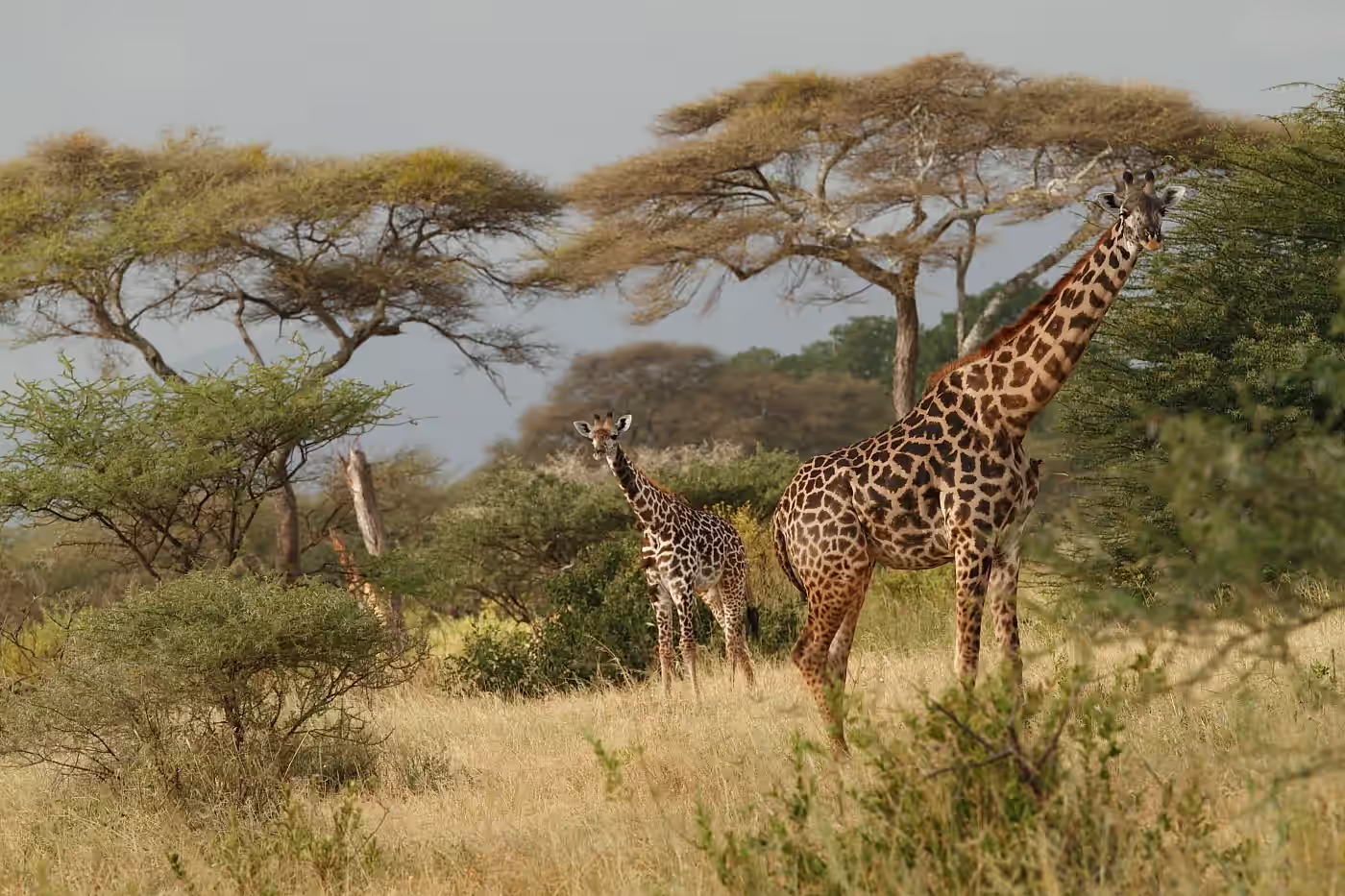
Giraffe
Ancient inhabitant of the Burunge Wildlife Management Area wilderness.
Cheetah
Ancient inhabitant of the Burunge Wildlife Management Area wilderness.
Geographic Heart
Lat: -3.794373 • Lng: 35.80307
Locate the Soul
Nestled within Tanzania, the Burunge Wildlife Management Area represents one of the most significant ecosystems on our planet.
Our Curated Safaris
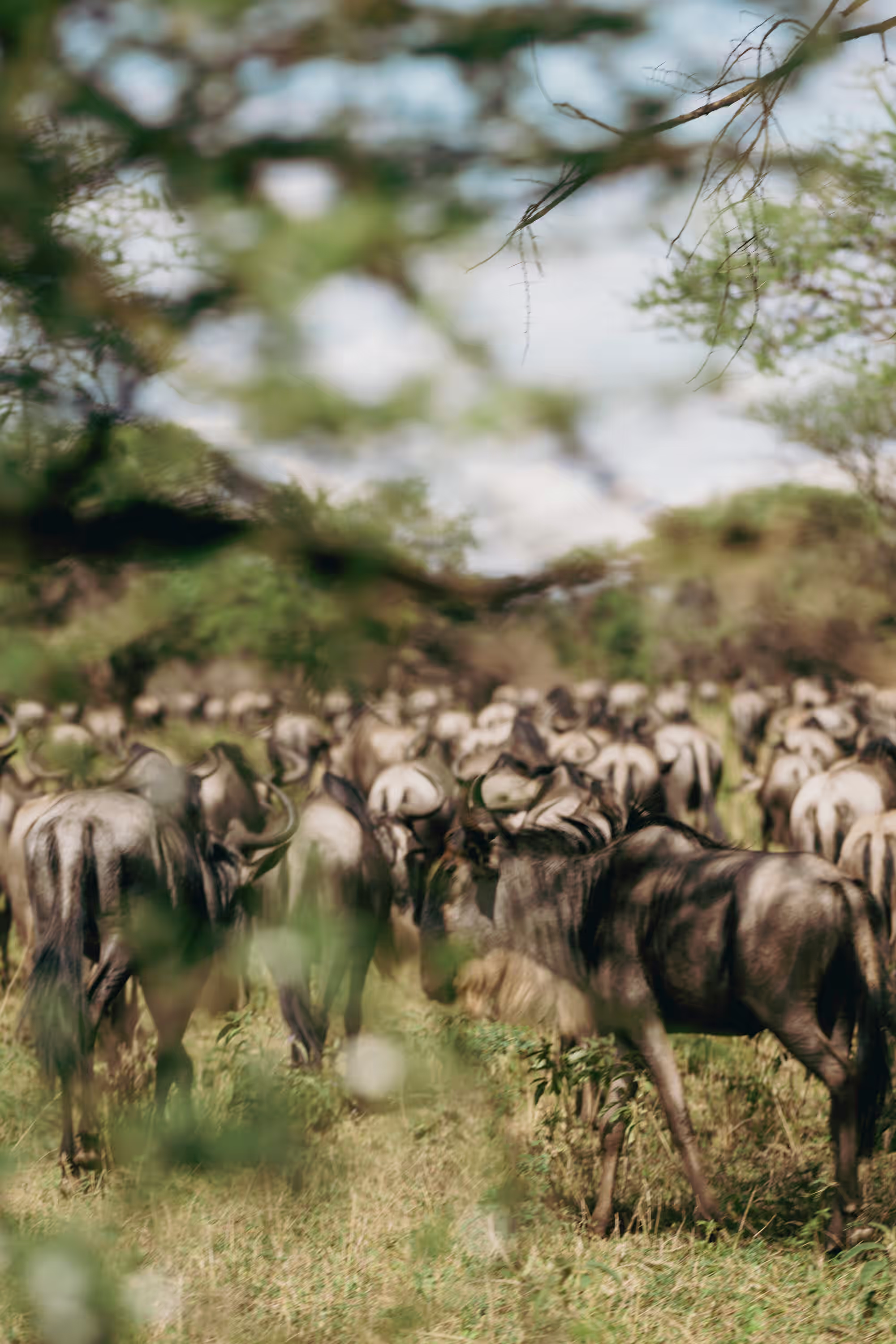
The Ultimate Luxury & Conservation Safari
Experience Tanzania’s most complete 14-day luxury safari across three spectacular ecosystems. From the calving plains of the south to the river crossings of the north, this journey blends five-star tented camps with meaningful, built-in philanthropic "Give-Back" days in conservation and community education.
Where to Stay
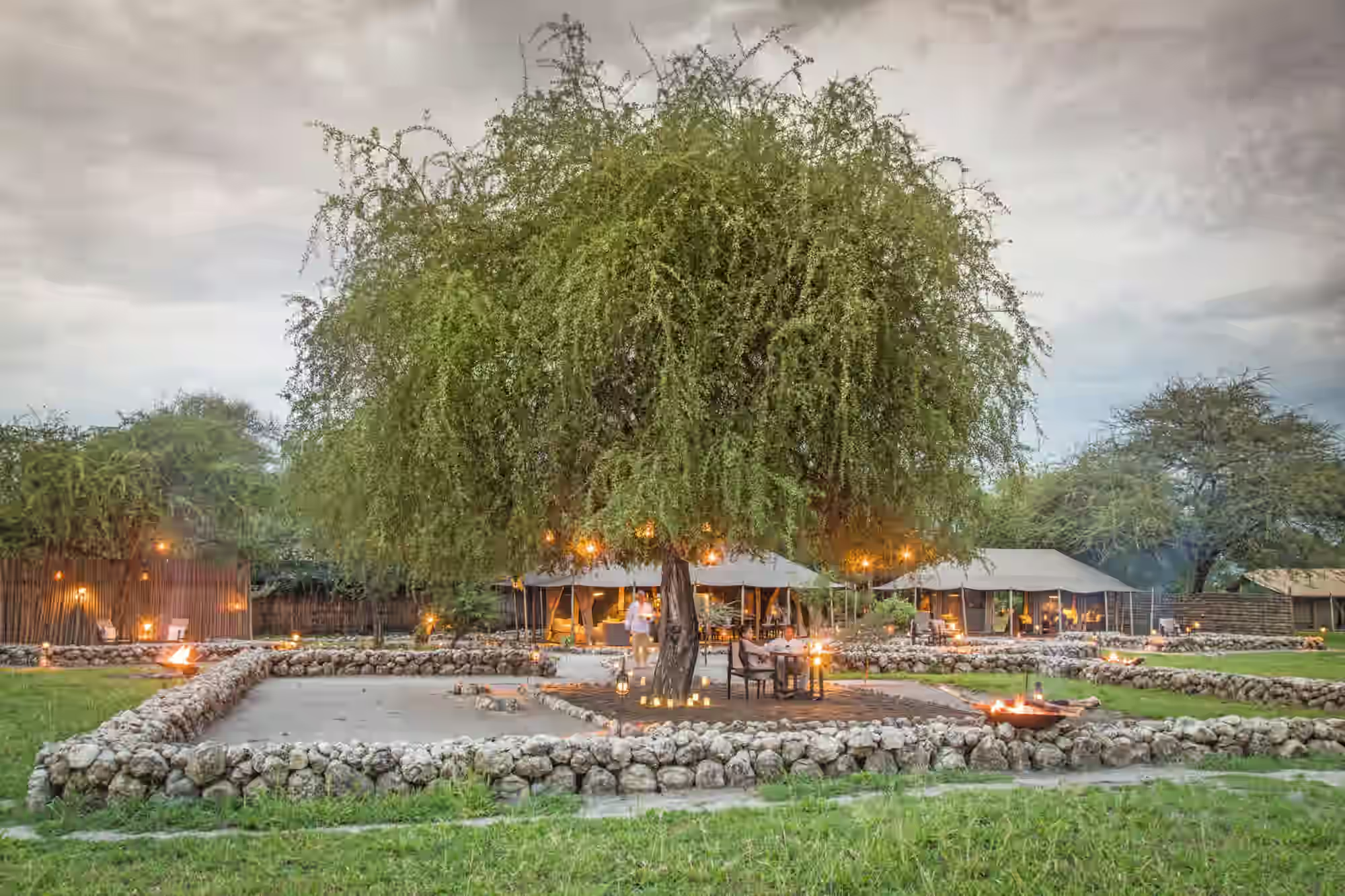
Chem Chem Safari Lodge
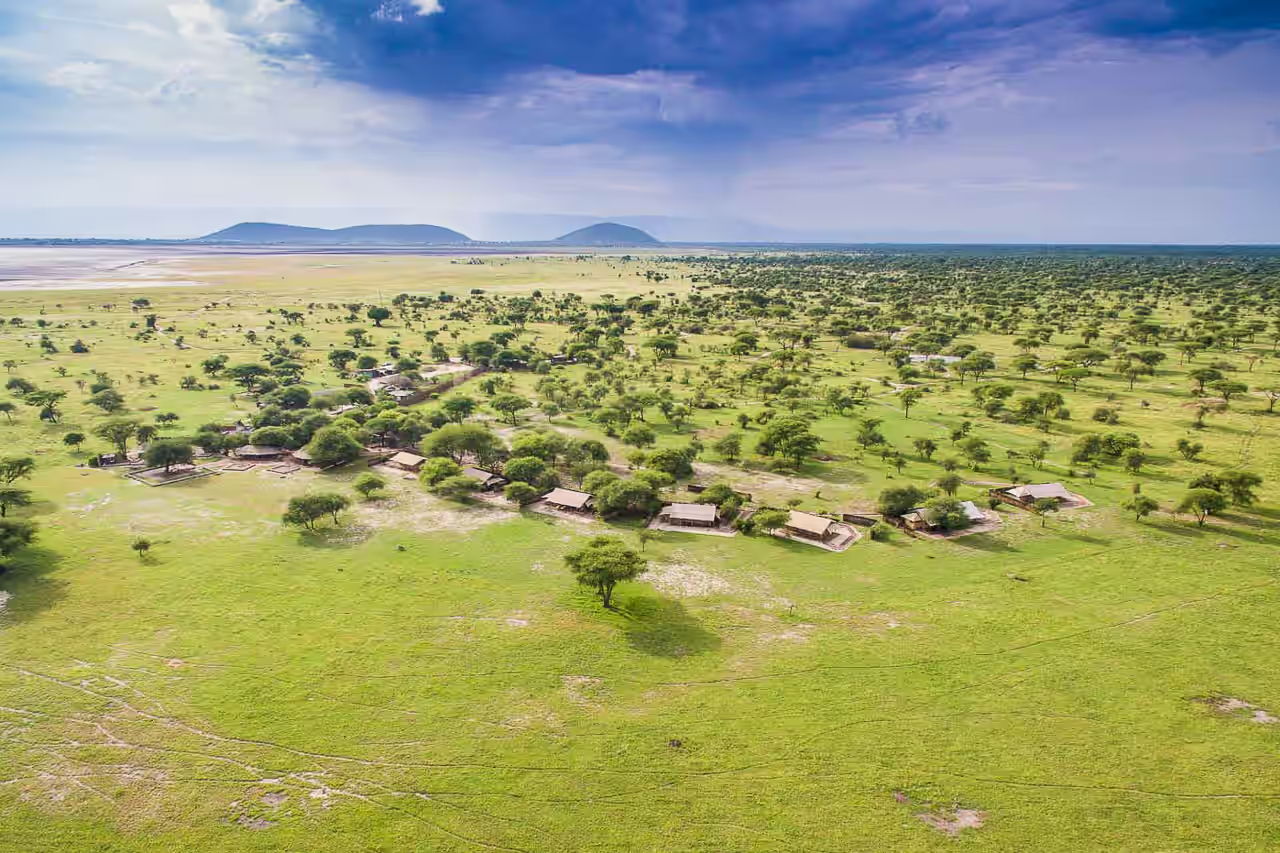
Chem Chem Safari Lodge, known as the "Sunset Camp," embodies the ethos of the "Slow Safari." Located in a lush lakeside setting, the lodge offers an elegant fusion of canvas, lava rock, and wood. Guests enjoy exclusive access to a private corridor between two iconic national parks, allowing for walking safaris, private sundowners, and cultural interactions far from the tourist crowds.
Essential FAQ
Visual Odyssey