The Spirit of the Wild
Arusha National Park is one of Tanzania's most
underrated treasures, nestled between the slopes of Mount Meru and the Momela
Lakes. Despite its small size, the park boasts extraordinary biodiversity —
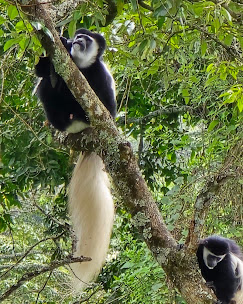
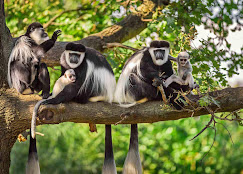
from black-and-white colobus monkeys swinging through montane forest to herds
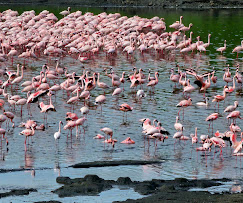
of buffalo grazing the open grasslands. The alkaline Momela Lakes attract a
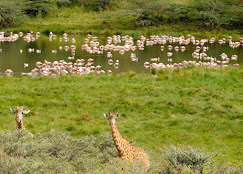
spectacular array of wading birds including flamingoes. Game drives through
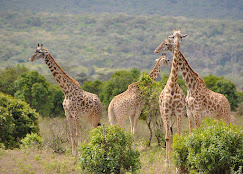
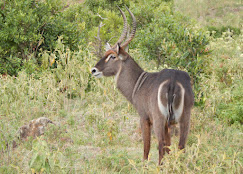
diverse habitats reveal giraffes, zebras, warthogs, and over 400 species of birds.
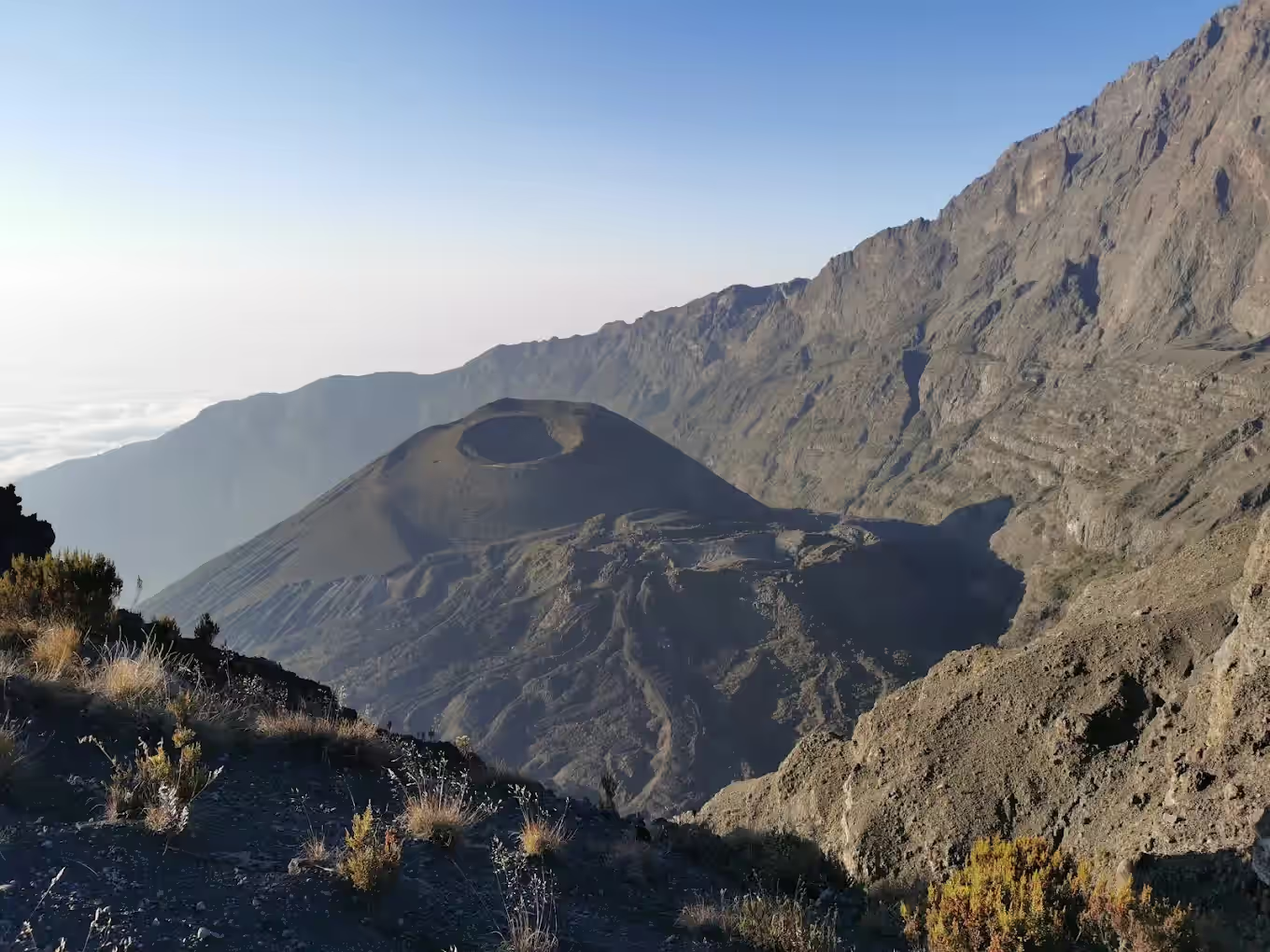
The park also serves as the starting point for climbs up Mount Meru, Africa's
fifth-highest peak, and offers unique walking safaris for an immersive
wilderness experience.
• Ngurdoto Crater — A forested caldera often called 'Little Ngorongoro', teeming with buffaloes and wildlife on the crater floor, accessible only by viewing from the rim
Experience the raw power and beauty of nature in its purest form.
• Mount Meru Trek — Africa's fifth-highest peak (4,566 m) offering a superb four-day summit climb with spectacular Kilimanjaro views
Experience the raw power and beauty of nature in its purest form.
• Canoeing Safaris — Guided canoe trips on Lake Momella, one of the few places in Tanzania to experience wildlife from the water
Experience the raw power and beauty of nature in its purest form.
• Walking Safaris — Armed ranger-escorted bush walks through montane rainforest and open plains
Experience the raw power and beauty of nature in its purest form.
• Colobus & Blue Monkeys — Dense populations in the forest zones, easily spotted on short walks
Experience the raw power and beauty of nature in its purest form.
• Birdwatching — Over 400 species including grey-crowned crane, African spoonbill, augur buzzard, and Narina trogon
Experience the raw power and beauty of nature in its purest form.
• Giraffes on Open Plains — Masai giraffes commonly seen in the park's savannah sections, often with Mount Meru as a backdrop
Experience the raw power and beauty of nature in its purest form.
• Proximity to Arusha City — Ideal half-day or full-day excursion from Arusha hotels with no long transfer
Experience the raw power and beauty of nature in its purest form.
• Canopy Walkways & Forest Trails — Scenic forested paths near Ngurdoto Gate through ancient fig and podocarpus trees
Experience the raw power and beauty of nature in its purest form.
When to Embark?
Temperate African days and crisp, star-filled nights await your arrival.
The absolute best window for clear vistas and peak predator sightings.
The Magnitude of Herds
Everything here follows the ancient rhythm of the rains and the golden grass.
Hippo
Ancient inhabitant of the Arusha National Park wilderness.
Zebra
Ancient inhabitant of the Arusha National Park wilderness.
Giraffe
Ancient inhabitant of the Arusha National Park wilderness.
Buffalo
Ancient inhabitant of the Arusha National Park wilderness.
Geographic Heart
Lat: -3.270419 • Lng: 36.883164
Locate the Soul
Nestled within Tanzania, the Arusha National Park represents one of the most significant ecosystems on our planet.
Our Curated Safaris
Essential FAQ
Visual Odyssey